


Accelerate Your Development Cycle with Leading QA Test Automation Services
Partner with DOIT-IT o enhance software quality, reduce time-to-market, and maximize your testing ROI through intelligent automation.
Why Invest in Test Automation? Moving Beyond Manual Limitations
In today's fast-paced digital landscape, relying solely on manual testing is no longer sustainable. Development cycles are shrinking, user expectations are rising, and the cost of bugs discovered late can be significant. Consequently, test automation has shifted from a luxury to a necessity.
Accelerated Feedback Loops
Get faster insights into code quality, enabling quicker bug fixes and more confident deployments.
Increased Efficiency & Speed
Automated tests run significantly faster than manual tests, dramatically reducing regression testing time and speeding up release cycles.
Significant Long-Term ROI
While there’s an initial investment, automation reduces manual effort over time, frees up QA engineers for complex tasks, and lowers the cost of fixing bugs found earlier.
Enhanced Test Coverage
Automation allows for broader and deeper testing, covering more scenarios, configurations, and data sets than practical manually.
Improved Accuracy & Consistency
Automated scripts execute tests precisely the same way every time, eliminating human error and ensuring consistent results.
Boosted Team Morale
Automation allows our talented QA team to focus on exploratory testing, usability testing, and complex scenarios rather than repetitive manual checks.
While the benefits of automation are clear, achieving them requires expertise and a strategic approach.
This is where DOIT-IT excels.
The Tangible Impact of Test Automation
Core Benefits: Speed, Accuracy, Consistency, ROI, Coverage
Lifecycle: Assessment -> Framework -> Scripting -> Execution -> Maintenance
Tools: Selenium, Cypress, Appium, Jenkins, etc.

Reduction in Regression Time
Reducing regression time by approximately 80% transforms how quickly teams can validate changes and deliver updates. This is typically achieved through automated testing, continuous integration, and improved test prioritization. As a result, teams spend significantly less time on repetitive checks and more time building value-added features. Ultimately, this leads to faster decision-making, higher productivity, and a smoother development workflow.

Increase in Test Coverage
Achieving around a 50% increase in test coverage greatly enhances software quality and confidence in deployments. With more parts of the application being tested, teams can identify potential issues across a broader range of scenarios. Furthermore, improved coverage helps reduce the risk of undetected bugs in production. In turn, this creates a stronger foundation for continuous delivery and long-term product stability.
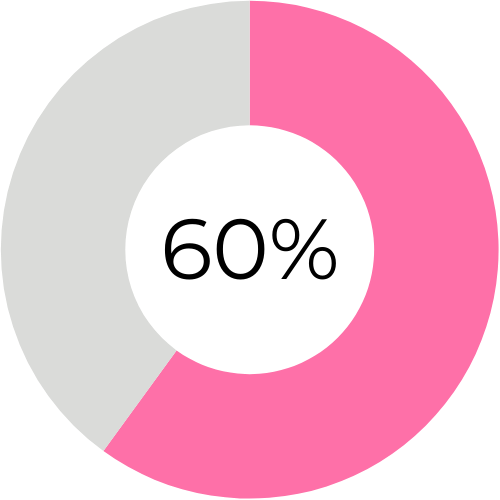
Earlier Defect Detection
Detecting defects up to 60% earlier in the development lifecycle dramatically lowers the cost and complexity of fixes. By shifting testing left and integrating quality checks into each stage of development, teams catch issues before they escalate. Consequently, they avoid rework, minimize delays, and maintain a faster pace of delivery. This proactive approach not only improves efficiency but also boosts stakeholder trust in the process.

Faster Release Frequency
Releasing software two to three times faster empowers businesses to respond quickly to market demands and user feedback. This acceleration is often driven by automation, continuous delivery pipelines, and improved collaboration across teams. As a result, organizations can deliver new features, improvements, and bug fixes with far greater agility. Moreover, faster releases mean faster value to customers—giving companies a competitive edge in dynamic markets.

Our systematic approach ensures your automation initiatives are successful and sustainable
Delivering Automation Success Through a Structured Lifecycle
We follow a well-defined process to ensure your test automation project delivers predictable and valuable results.

Automation Feasibility & Assessment
Analyze application, processes, goals for strategy & ROI.

Tool Selection & Framework Design
Recommend optimal tools & design custom, scalable framework.

Environment Setup & Configuration
Prepare test environments & integrate required tools.

Test Script Development & Enhancement
Write robust, maintainable, reusable scripts.

Execution & Integration
Run tests & integrate into CI/CD pipeline.

Reporting & Maintenance
Provide clear, actionable reports on results & defects. Regularly update scripts & optimize framework.
Frequently Asked Questions about QA Test Automation
What tools and technologies do you specialize in?
We are proficient in a wide range of industry-leading tools like Selenium, Cypress, Playwright, Appium, Katalon Studio, TestComplete, Postman, REST-Assured, JMeter, LoadRunner, and integrate seamlessly with CI/CD platforms like Jenkins, GitLab CI, Azure DevOps, etc. We choose the best tools based on your specific project needs and technology stack.
How long does it take to implement test automation?
The timeline varies depending on the application complexity, scope of automation, framework requirements, and team collaboration. We provide a realistic estimate after our initial assessment phase. Typically, initial results can be seen within a few weeks to a few months.
What is the typical ROI for test automation?
ROI comes from reduced manual testing effort, faster release cycles, earlier bug detection (cheaper to fix), increased test coverage, and improved product quality. While it varies, many clients see a positive ROI within 6-18 months. We help you define metrics to track this.
Can everything be automated?
No, and it shouldn’t be. Automation is best suited for repetitive, predictable tasks like regression tests, data validation, and API checks. Exploratory testing, usability testing, and tests requiring subjective human judgment are typically better left to manual testers. We help identify the right candidates for automation.
How do you handle test script maintenance?
Maintenance is crucial. We build robust, modular frameworks with best practices to minimize maintenance effort. We also offer ongoing maintenance services to keep your automation suite up-to-date with application changes.
How much does test automation cost?
Costs depend on the scope, complexity, tools chosen, and engagement model. We offer flexible pricing options (fixed-price, T&M, dedicated team). Contact us for a custom quote based on your specific needs after an initial assessment.
Ready to Revolutionize Your QA Process?
Stop letting manual testing bottlenecks slow you down. Embrace the power of automation with DOIT-IT Services and achieve faster releases, higher quality software, and a better bottom line.